
War History
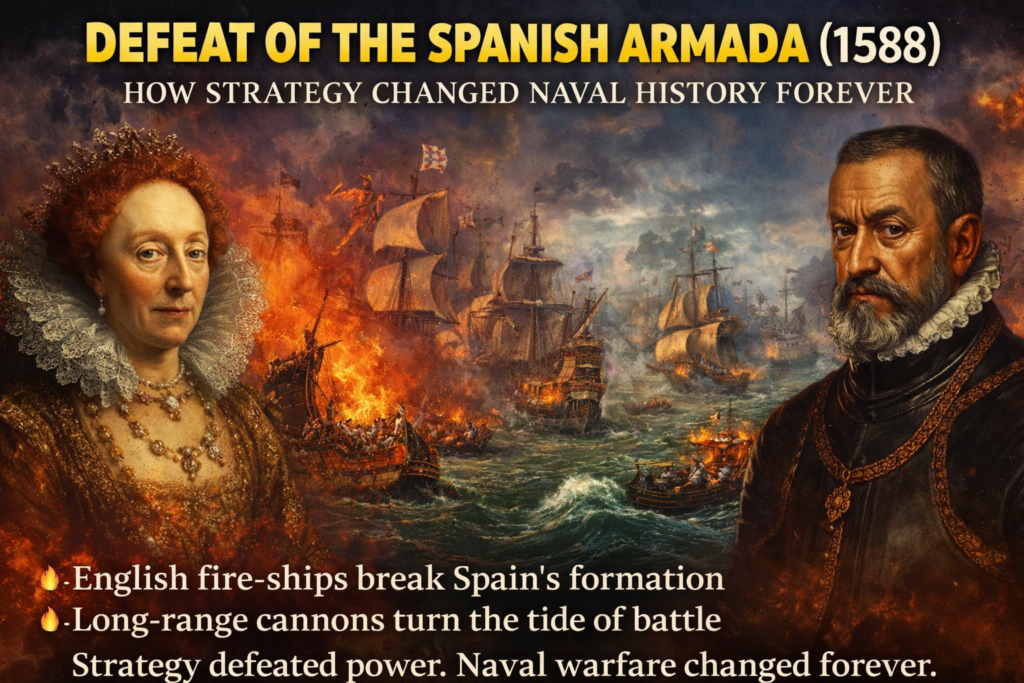
Defeat of the Spanish Armada (1588): How Strategy Changed Naval History Forever.

Defeat of the Spanish Armada (1588): How Strategy Changed Naval History Forever
Defeat of the Spanish Armada (1588): How Strategy Changed Naval History Forever. In 1588, the most powerful navy on Earth set sail with a single objective —
to destroy England and reshape the balance of power in Europe.
This vast fleet was known as the Spanish Armada.
On paper, England stood little chance. Spain commanded the seas with massive warships, thousands of battle-hardened soldiers, and unmatched experience in close-combat naval warfare. Across Europe, many believed England’s defeat was inevitable.
But history took a dramatic and unexpected turn.
What followed became one of the greatest examples of strategy defeating brute force, permanently transforming the nature of naval warfare and maritime power.
Why the Spanish Armada Was Considered Invincible
By the late 16th century, Spain was the world’s leading naval superpower. Its wealth from the Americas funded a navy that dominated global sea routes.
The Spanish Armada inspired fear because it possessed:
Large, heavily armed galleons designed for boarding actions
Thousands of trained infantry soldiers embarked for close combat
A battle doctrine based on grappling, boarding, and overwhelming force
Supreme confidence built through decades of naval success
Spanish commanders firmly believed that once battle closed to short range, no enemy could withstand them.
Victory, they assumed, was inevitable.
England’s Greatest Strength: Refusing Spain’s Battle Plan
England understood a hard truth:
it could not defeat Spain by fighting Spain’s way.
Rather than copying Spanish tactics, English commanders made a decisive and intelligent choice — they refused close combat entirely.
Instead, England focused on:
Faster, more maneuverable ships
Superior long-range cannon fire
Flexible formations and timing
Constant movement to prevent boarding
This refusal to fight on Spain’s terms became the decisive factor of the campaign.
Fire-Ships: Francis Drake’s Strategic Masterstroke
One of the most dramatic moments of the campaign came with the use of fire-ships, orchestrated by English commanders including Sir Francis Drake.
Unmanned ships packed with flammable material were set ablaze and sent drifting into the tightly anchored Spanish fleet.
The consequences were immediate and devastating:
Panic spread through the Armada
Spanish ships cut their anchors to escape
Carefully maintained formations disintegrated
Command and coordination collapsed
In a single night, Spain’s greatest tactical advantage — discipline and formation — was destroyed.
Long-Range Cannons Redefine Naval Warfare
England capitalized on the chaos by keeping its distance and relying on long-range gunnery.
This approach allowed English ships to:
Inflict damage while remaining safe
Control the tempo of battle
Avoid lethal boarding engagements
Spanish ships, while formidable at close range, proved:
Slower and less agile
Ill-suited for extended gunnery duels
Unable to pursue fast English vessels
For the first time in European history, naval warfare shifted decisively from boarding-based combat to artillery-based combat.
Storms, Chaos, and the Collapse of the Armada
As the battered Armada attempted to regroup and return home, nature delivered the final blow.
Violent Atlantic storms scattered the fleet
Damaged ships were wrecked along foreign coasts
Supplies ran critically low
Communication between squadrons broke down
The Armada that had sailed out as a unified force returned to Spain broken, depleted, and defeated.
Why the Spanish Armada Failed
The Spanish Armada did not fail because Spain lacked power or courage.
It failed because:
Its strategy relied on a single method of warfare
England refused to engage on those terms
Tactical flexibility defeated rigid tradition
Intelligence and adaptation overcame raw strength
This lesson would shape naval doctrine for centuries to come.

A Turning Point in Naval History
The defeat of the Spanish Armada was far more than a battlefield victory.
It represented:
A decisive shift in European power politics
The beginning of England’s rise as a global naval force
The triumph of strategy over numerical superiority
One of the most important turning points in maritime history
More Than a Battle — A Victory of the Mind
The fall of the so-called “Invincible Armada” proved a timeless truth:
Wars are not always won by the strongest fleets —
they are won by those who adapt faster, think smarter, and fight differently.
In 1588, naval history changed forever —
not through greater power, but through better strategy.
Defeat of the Spanish Armada 1588, Spanish Armada battle, naval warfare history, England vs Spain naval battle, Francis Drake fire ships, naval strategy history, rise of English navy, maritime warfare evolution
Fort Eben-Emael (1940): How a Small Airborne Force Changed Warfare Forever.
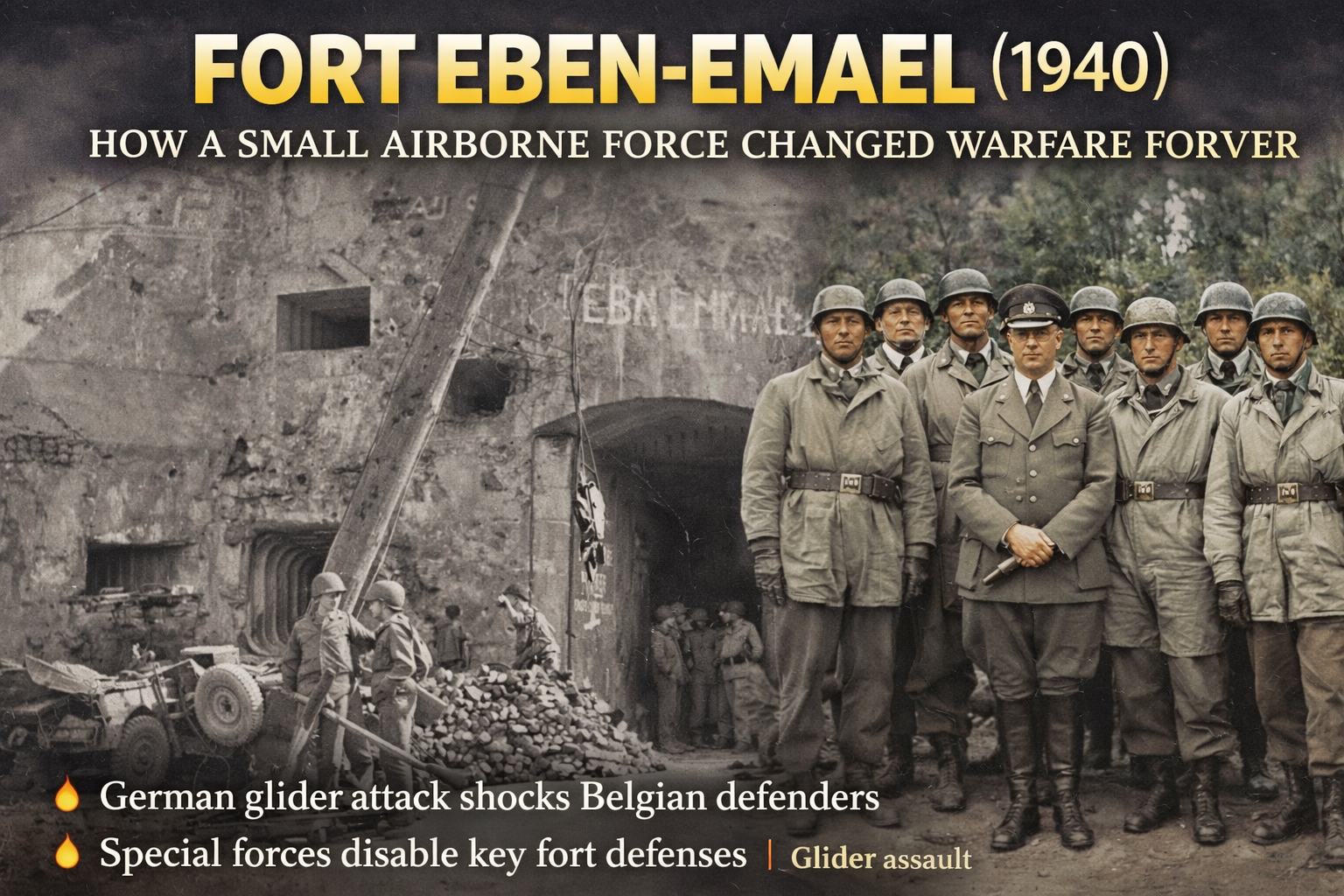
Fort Eben-Emael (1940): How a Small Airborne Force Changed Warfare Forever. In May 1940, Europe was already burning in the early days of World War II. On the Belgian border stood Fort Eben-Emael, one of the strongest and most feared forts in the world.
Many experts believed it was impossible to capture.
Yet, in just a few hours, a small group of German airborne soldiers achieved what large armies could not — and changed modern warfare forever.
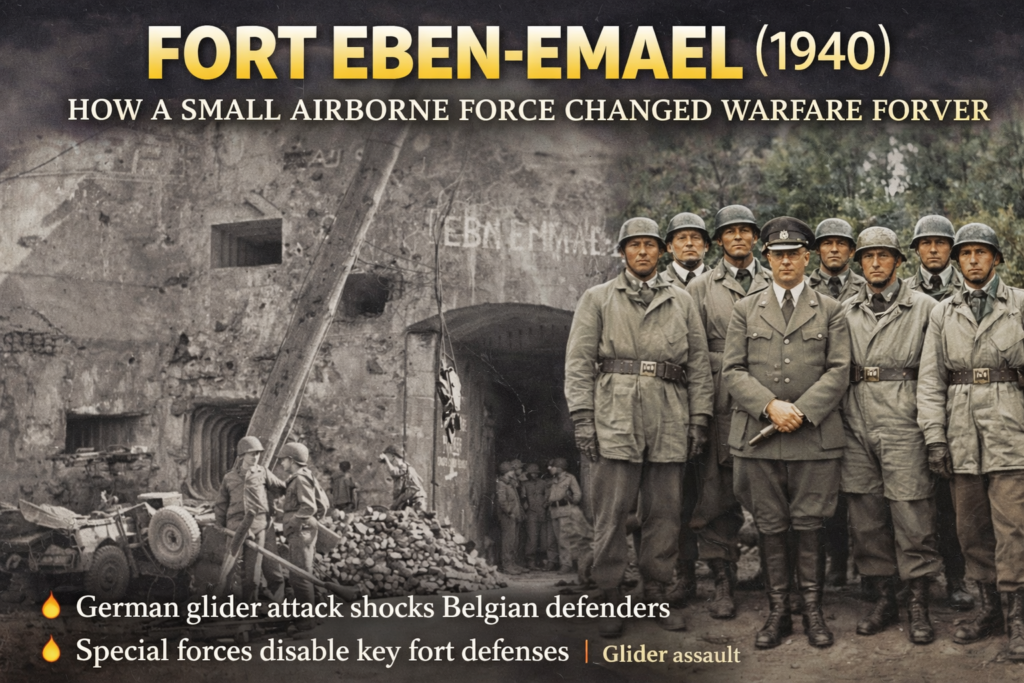
source:- AI
Why Fort Eben-Emael Was Considered Unbreakable
Fort Eben-Emael was built to stop any enemy invasion from the east. It guarded important bridges and routes into Belgium.
The fort was protected by:
Thick concrete walls
Heavy steel gun turrets
Deep moats and barbed wire
Anti-aircraft guns
Powerful long-range artillery
Military planners believed that only a long and bloody siege could defeat the fort.
They were wrong.
A New Idea: Attack from the Sky
German military planners thought differently.
Instead of using heavy bombers or large ground forces, they planned something completely new — a silent airborne assault.
The idea was simple but risky:
Attack from above
Land directly on the fort
Disable key defenses before anyone could react
This type of attack had never been used in real combat before.
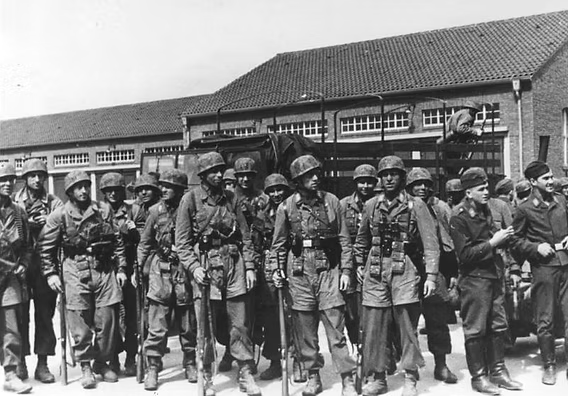
source: combat archives
The Secret Weapons: Gliders and New Explosives
The plan depended on surprise, speed, and new technology.
German troops used:
DFS-230 gliders, which could land silently without engines
Hollow charge explosives, designed to break steel and concrete
The mission was not to destroy the entire fort — but to knock out its guns and control points.
10 May 1940: The Silent Landing
In the early hours of 10 May 1940, just before sunrise, the gliders landed directly on top of Fort Eben-Emael.
The Belgian defenders were completely shocked.
They had never expected an attack from the air.
Within minutes:
Major gun turrets were destroyed
Observation posts were neutralized
The fort’s main defenses were disabled
All this happened before German ground troops even arrived.

The Fall of the Fort
By the afternoon, the situation was clear.
The fort could no longer defend itself.
Around 700 Belgian soldiers surrendered, and Fort Eben-Emael fell under German control.
Considering the fort’s reputation, the casualties were surprisingly low on both sides.
Why Fort Eben-Emael Changed Military History
The capture of Fort Eben-Emael became a major turning point because:
It was the first successful glider assault in history
A small team defeated a massive fort using planning and innovation
It reshaped ideas about airborne warfare and special forces
It proved that surprise and intelligence can defeat strong defenses
After this operation, military strategy across the world began to change.

Source: warfare history network
A Lesson That Still Matters Today
The fall of Fort Eben-Emael taught a powerful lesson:
Strength alone does not guarantee victory
New ideas can defeat old defenses
Small, well-trained teams can achieve the impossible
What was once believed unbreakable fell in a single day — not by brute force, but by innovation and planning.
Fort Eben-Emael 1940, World War II airborne assault, Glider attack Eben-Emael, DFS-230 gliders, German airborne troops, Military innovation WWII, Airborne warfare history.
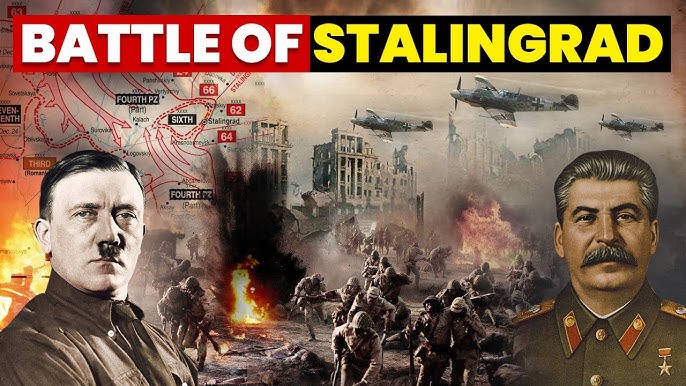
Battle of Stalingrad: The Bloodiest Battle That Changed World History.
Battle of Stalingrad: The Bloodiest Battle That Changed World History. Some battles decide wars.
But a few battles change the course of human history.
The Battle of Stalingrad (1942–1943) was one such battle. It remains the bloodiest battle ever fought, where more than two million soldiers and civilians were killed, wounded, or captured in a single city.
Stalingrad became a frozen hell of fire, rubble, hunger, and unimaginable sacrifice — and the place where World War II began to turn.
Why Stalingrad Was So Important
Stalingrad was not just another city on the map.
It was:
A major industrial and manufacturing center
Located on the Volga River, a vital supply route
A powerful symbol, as it carried the name of Soviet leader Joseph Stalin
For Adolf Hitler, capturing Stalingrad meant crushing Soviet morale and breaking the USSR.
For the Soviet Union, losing it meant losing the war.
There could be no compromise.
When a City Turned Into a Battlefield
From the moment fighting began, Stalingrad stopped being a city.
Every street became a frontline
Every ruined building turned into a fortress
Every room, staircase, and basement became a battleground
German and Soviet soldiers fought house to house, room to room, often at point-blank range. Survival chances were low, but retreat was impossible.
Hitler’s Army Meets Its First True Test
The German invasion began with confidence. Hitler believed his army was unbeatable after victories across Europe.
But Stalingrad exposed a fatal mistake.
The German command underestimated Soviet resistance. Soviet soldiers fought with desperation, knowing there was nowhere left to fall back. Every delay weakened the German advance.
source: history.howstuffworks
“Not One Step Back”: Stalin’s Ruthless Order
As losses mounted, Joseph Stalin issued his most famous and brutal command:
“Not one step back.”
Retreat was forbidden.
Soldiers who withdrew without orders faced severe punishment.
The message was clear:
Stalingrad must be held — at any cost.
Hell on Earth: Fire, Smoke, and Rubble
Stalingrad turned into a nightmare beyond imagination:
Constant air raids reduced buildings to rubble
Smoke and fire darkened the sky
Dead bodies filled streets, factories, and homes
Civilians were trapped in the city, many joining the fight or helping wounded soldiers. There was no safe place left in Stalingrad.
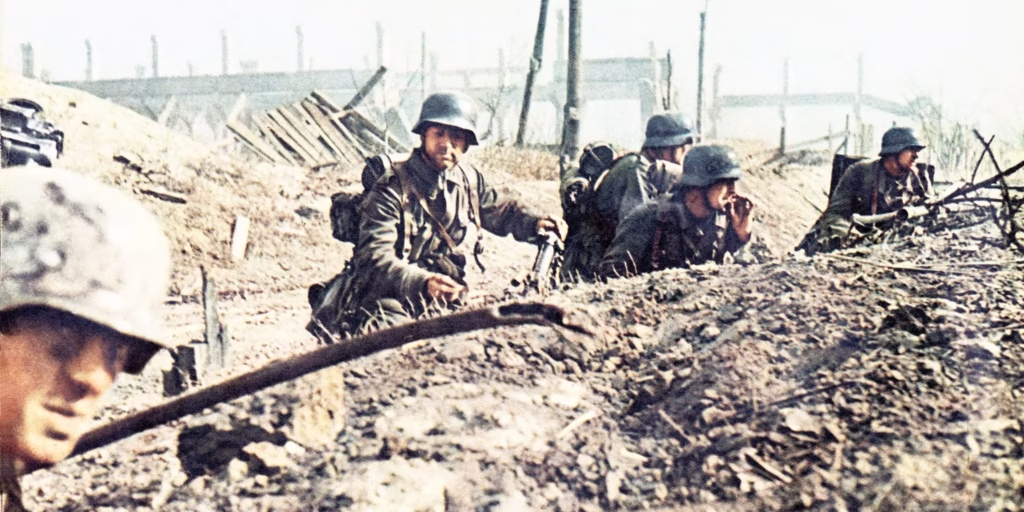
source: history.com
Snipers and Silent Death
One of the most feared aspects of the battle was sniper warfare.
Legendary Soviet sniper Vasily Zaitsev became a symbol of resistance. His deadly duels, including the famous encounter with Major König, turned ruins into silent killing grounds where one bullet meant death.
Snipers controlled streets, slowed enemy movement, and shattered morale.
The Russian Winter Joins the Battle
As the fighting dragged on, nature became a weapon.
The Russian winter brought temperatures down to -40°C.
Tanks froze
Fuel solidified
Weapons jammed
Soldiers froze to death in open positions
The cold showed no mercy — German or Soviet.
Operation Uranus: The Turning Point
Then came the moment that changed everything.
In November 1942, the Soviets launched Operation Uranus, a massive counteroffensive aimed at the weaker German flanks.
The result was devastating:
Nearly 300,000 German troops were surrounded
Supply lines were cut
Escape routes vanished
Hitler ordered his army to hold their ground. Retreat was forbidden.
The German Sixth Army was trapped.
The Historic Surrender That Shocked the World
In February 1943, the unthinkable happened.
German General Friedrich Paulus surrendered, directly disobeying Hitler’s order to fight to the last man.
It was the first major surrender of a German army in World War II.
The myth of German invincibility was destroyed forever.
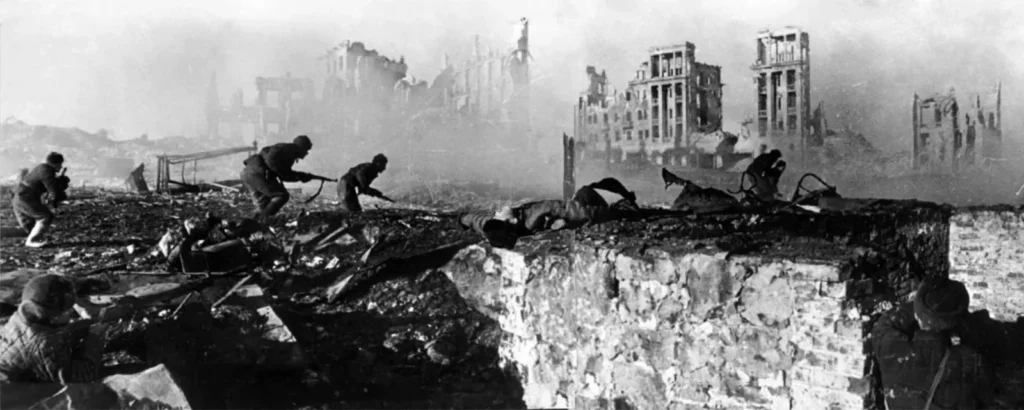
Stalingrad: More Than Just a Battle
Battle of Stalingrad: The Bloodiest Battle That Changed World History. By the end of the fighting, Stalingrad no longer existed as a city.
What remained was:
A symbol of unbreakable courage
Proof of human endurance under extreme suffering
A decisive turning point in World War II
Stalingrad did not just defeat an army.
It changed the direction of the war and the fate of the world.
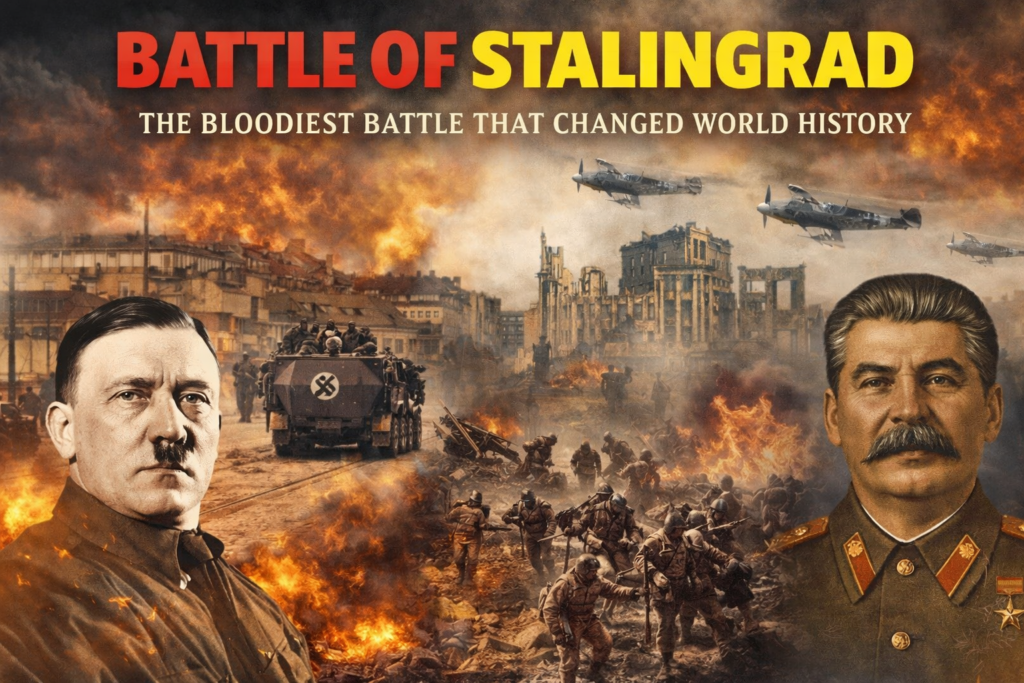
Why the Battle of Stalingrad Still Matters Today
The Battle of Stalingrad teaches us that:
The human spirit can survive unimaginable horror
Determination can defeat even the strongest military power
History can change in the ruins of a single city
A burning, frozen battlefield became the place where World War II began to turn against Nazi Germany.
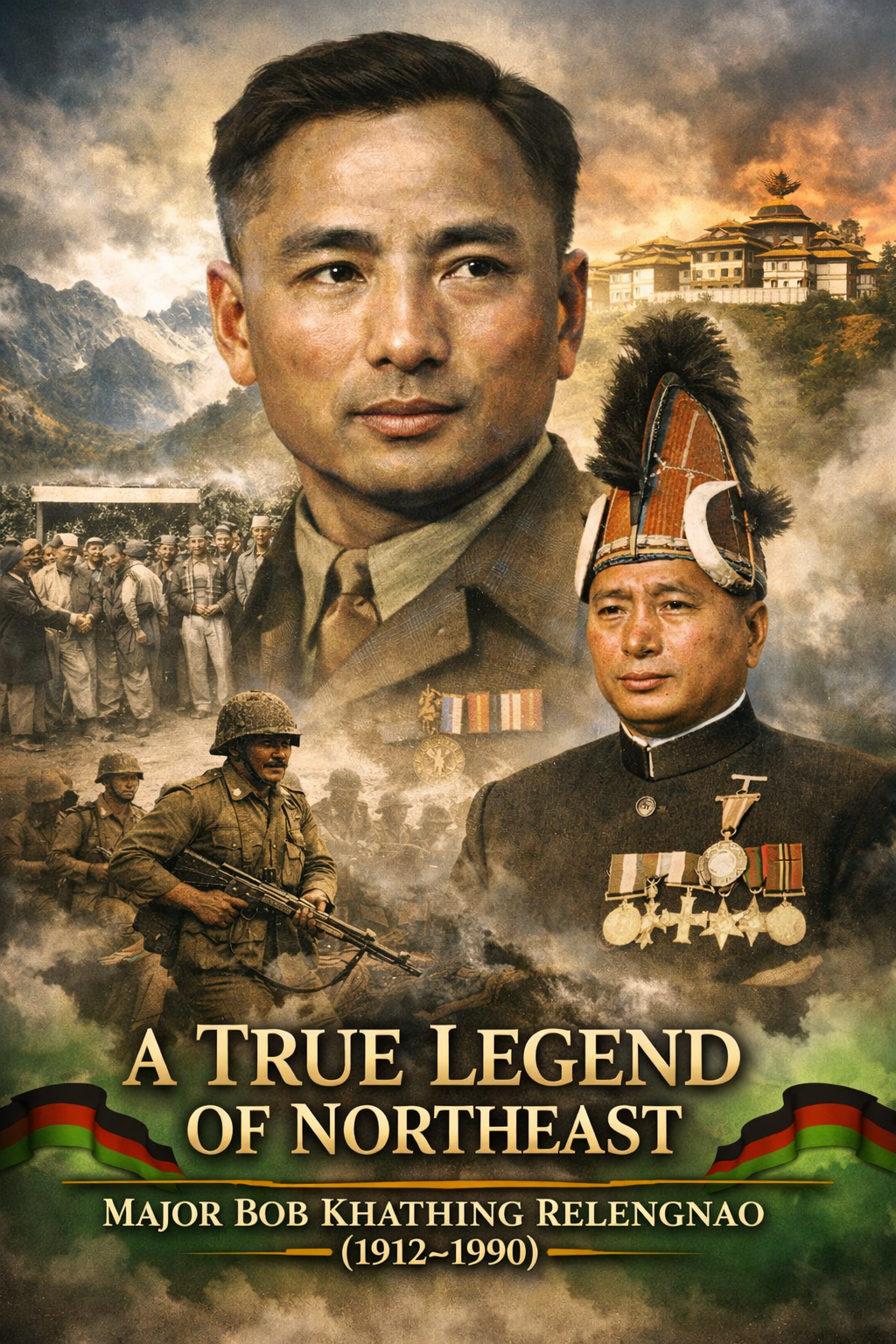
Who Stopped China? The Untold Story of Major Bob Khathing and Tawang 1951.
The Untold Story of Major Bob Khathing and How India Secured Tawang.
Who Stopped China? The Untold Story of Major Bob Khathing and Tawang 1951. Very few Indians know his name.
Even fewer know that India secured Tawang without firing a single bullet.
Long before the 1962 India–China war, one man quietly ensured that Tawang remained Indian territory. There were no tanks, no air strikes, and no battlefield headlines.
The man was Major Bob Khathing (Relangnao “Bob” Khathing) — a Naga warrior, freedom-era soldier, Assam Rifles officer, and visionary administrator.
This is the untold story of how India stopped China in 1951 — without war.

Why Tawang Was Critically Important
Tawang is not just another Himalayan town. It holds huge strategic, political, and cultural importance.
Located close to the Indo-China border
Controls key Himalayan mountain routes
Home to one of the most important centres of Tibetan Buddhism
Influences the security of the entire North-East frontier
After China took control of Tibet, Tawang became a top priority for Beijing.
India faced a serious risk — losing Tawang without a fight.
What Happened in Tawang in 1951?
In 1951, India quietly launched a classified mission to establish its authority in Tawang.
There was:
No public announcement
No media coverage
No declaration of war
The mission was entrusted to Major Bob Khathing.
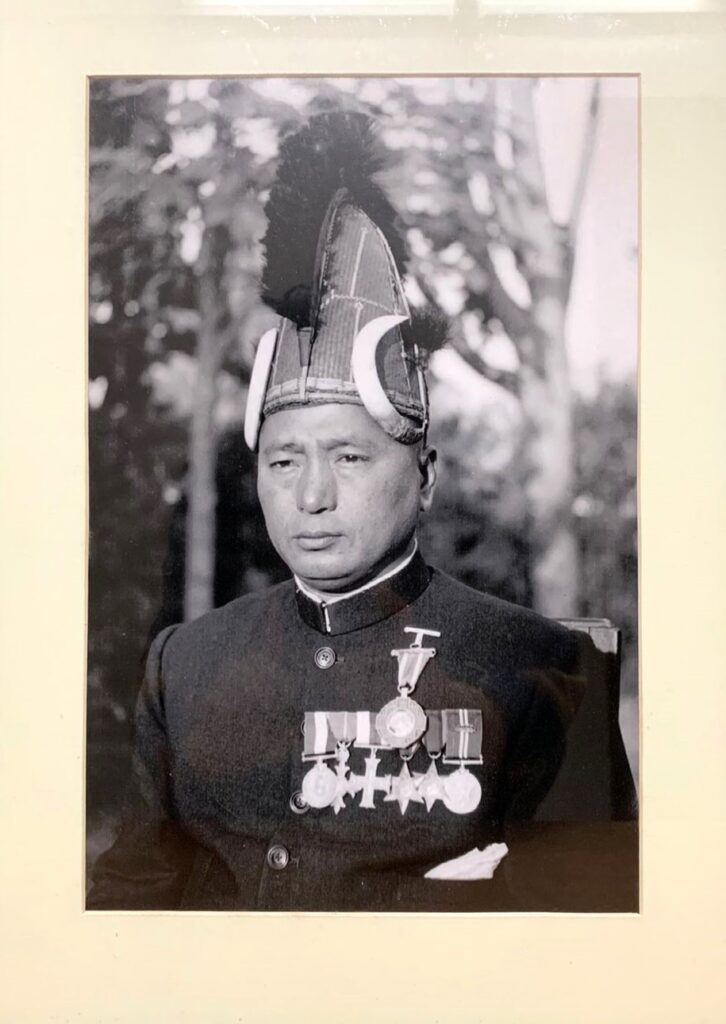
What He Was Given:
Around 200 soldiers of the Assam Rifles
A hostile and unexplored Himalayan terrain
No roads or modern communication
Freezing weather, snow, cliffs, and isolated tribal regions
His Objective:
👉 Secure Tawang for India — peacefully, if possible
Who Was Major Bob Khathing?
Major Bob Khathing was no ordinary officer.
He was:
A World War II guerrilla fighter
A recipient of the Military Cross
A man respected by both British and Indian leadership
Deeply familiar with tribal societies, local customs, and frontier politics
His rare combination of military courage, political wisdom, and cultural understanding made him ideal for this sensitive mission.

The Himalayan Mission No One Talks About
The march to Tawang was extremely difficult.
Major Khathing and his men crossed:
Deep snow and freezing temperatures
Dangerous mountain passes
Dense forests and unmapped terrain
Areas where Indian authority had never existed
There were no supply lines, no reinforcements, and no backup plan.
Yet, the mission continued.
How He Succeeded Without Firing a Single Bullet
What makes Major Khathing’s achievement truly historic is how he succeeded.
Instead of force, he used:
Respect for local traditions
Dialogue with monks and tribal leaders
Clear explanation of India’s intentions
Calm leadership and personal courage
Where colonial authorities had struggled, Khathing won trust.
Not through fear — but through understanding and dignity.

The Historic Moment: Hoisting the Indian Flag in Tawang
In 1951, Major Bob Khathing achieved something extraordinary.
He:
Peacefully established Indian administration in Tawang
Hoisted the Indian Tricolour
Took control without bloodshed
This single act:
Secured Tawang for India
Changed North-East geopolitics
Blocked China’s advance years before 1962
Ensured Arunachal Pradesh remained Indian
India’s map would look very different without this mission.
Why China Wanted Tawang So Badly
China’s interest in Tawang came from:
Its proximity to Tibet
Strategic Himalayan positioning
Control over border movement and influence
By acting early, India ensured that China arrived too late.
Major Khathing stopped China before a war could begin.
Why Is This Hero Missing from History Books?
Despite his achievement:
The mission remained classified for years
He avoided publicity
His story was never widely taught
As a result, one of India’s greatest strategic victories faded from public memory.
Not Just History — A Lesson for India
This story is not only about the past.
It teaches us that:
Courage does not always need a battlefield
Leadership can be silent yet decisive
Intelligence and timing can shape nations
Major Bob Khathing proved that peaceful action can be as powerful as war.
A Hero India Must Remember
Major Bob Khathing was not just a soldier.
He was a nation-builder.
He deserves recognition as:
A fearless warrior
A wise leader
A protector of India’s eastern frontier
Because sometimes,
the man who prevents a war is greater than the man who fights one.


Biography Major Vivek Jacob: From 9 Para Special Forces to a Voice of Healing and Purpose

Biography of Col Rajeev Bharwan
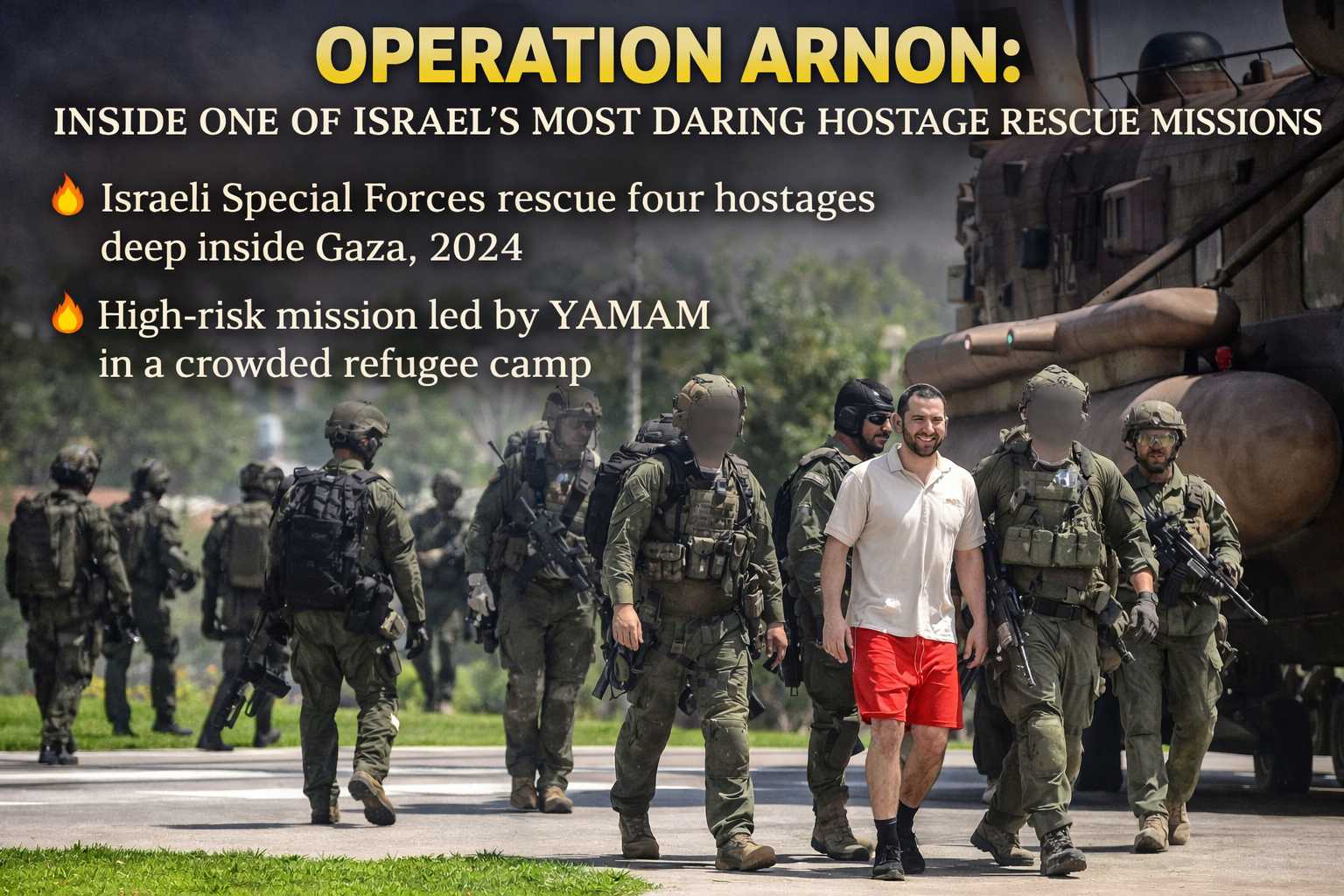
Operation Arnon: Inside One of Israel’s Most Daring Hostage Rescue Missions.


 Defence News9 years ago
These ’90s fashion trends are making a comeback in 2017
- Veterans Stories9 years ago
The final 6 ‘Game of Thrones’ episodes might feel like a full season
- Defence News9 years ago
According to Dior Couture, this taboo fashion accessory is back
- Veterans Stories9 years ago
The old and New Edition cast comes together to perform
- Blogs9 years ago
Phillies’ Aaron Altherr makes mind-boggling barehanded play
- Veterans Stories9 years ago
Disney’s live-action Aladdin finally finds its stars
- Military Biopics9 years ago
Uber and Lyft are finally available in all of New York State
- Blogs9 years ago
Steph Curry finally got the contract he deserves from the Warriors